Where Hands Keep History Alive in Slovenia
Step into a living journey of Heritage Crafts and Handwork Experiences with Slovenian Artisans, where lace clicks softly like rain on stone, iron sings under hammers, and wood remembers the forest. We’ll guide you through workshops, stories, and respectful encounters that turn travel into meaningful connection. Ask questions, learn patiently, and celebrate the makers who keep culture vibrant. Share your curiosities, tell us what you hope to try first, and subscribe for future journeys with remarkable craftspeople.

Hands That Carry Centuries

Across valleys and cobbled towns, makers shape everyday beauty from thread, iron, wood, clay, and beeswax. Their skills travel through families, guilds, and community schools, guarded by patience and generous teaching. Meeting them means arriving with time, listening for small histories, and seeing how technique becomes identity. As you watch, you’ll feel why these objects are more than souvenirs: they are resilient, useful, and deeply human.

Idrija Lace, Threaded with Memory

In Idrija, bobbins tap a steady rhythm over a round pillow, guiding delicate patterns that echo rivers, ferns, and old city streets. A lacemaker might tell you how her aunt taught her the first crossings, and how every mistake becomes a lesson, never a secret. Try a beginner motif, notice your breath slowing, and leave with deep respect for precision shaped by kindness.

Kropa’s Iron Speaks in Sparks

A blacksmith in Kropa heats steel to a glowing orange and folds it into purposeful grace: a nail, a hook, a leaf with veined curves. The anvil’s heartbeat steadies your attention, and your first hammer strike feels clumsy yet thrilling. With guidance, you’ll shape something small and strong, learning how careful repetition transforms stubborn metal into a memory you can hold.

Ribnica’s Woodenware, Carved from Forest Light

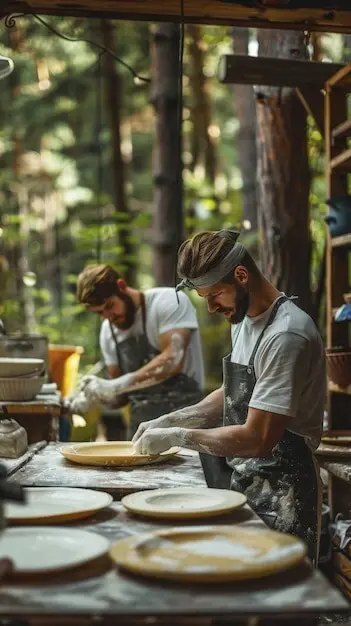
In Ribnica, woodturners and carvers transform beech and maple into spoons, sieves, toys, and bowls that fit the hand like conversation. The lathe hums while curls of pale wood fall like fragrant snow. You will hear about sustainable forestry, seasonal markets, and family benches worn smooth by work. Choose a utensil made to serve, and it will teach you daily gratitude.

Workshops You Can Join

Finding the right experience begins with honest curiosity and realistic timing. Many artisans offer short introductions and deeper sessions, often in small groups where attention is personal and unhurried. Reserve ahead, confirm language options, and arrive open to learning slowly. Bring comfortable clothes, leave space for mistakes, and ask how best to support their practice. Your kindness, patience, and fair payment sustain skills that enrich communities far beyond a single afternoon.

Beginner-Friendly Lace Sessions

Introductory lace classes often provide a pillow, bobbins, pins, a simple pricking, and a welcoming teacher who remembers every first tangle. You will learn how to cross and twist, keep threads even, and read a pattern like music. Expect to produce a tiny motif, perhaps a bookmark, while absorbing posture tips and gentle tricks for unpicking snags without heartbreak. Celebrate progress, not perfection.

Forge a Keepsake with Guidance

A taster forging session starts with safety, stance, and respectful distance from the fire. You’ll practice heating, drawing out, and texturing, guided hand-over-hand until confidence grows. Many studios help you finish a small hook or bottle opener, stamping initials beside the maker’s mark. The result carries your effort and their mastery together. Remember to ask about care, rust prevention, and responsible recycling of offcuts.
Stories That Travel with You

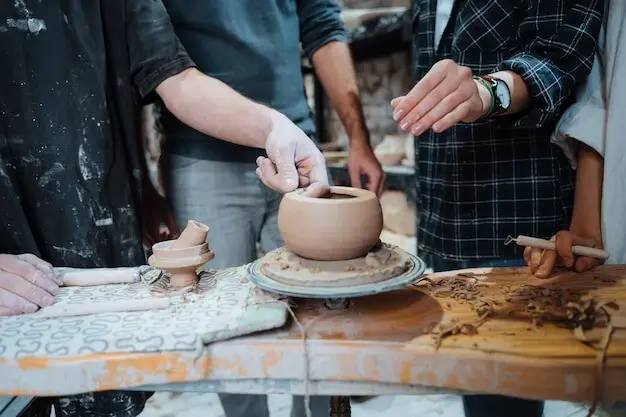
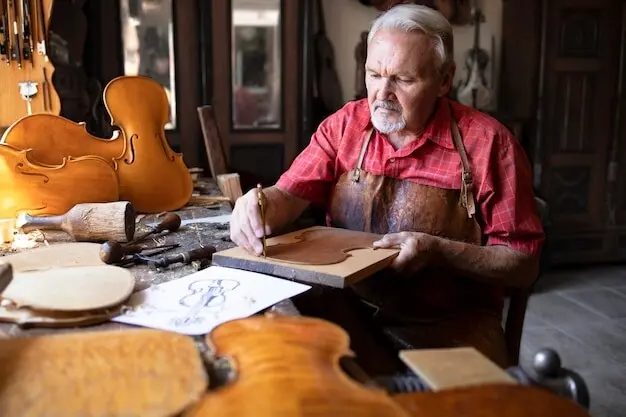
Objects become companions when you know who shaped them and why. Makers speak about lean winters, good timber years, and the satisfaction of repairing what still has heart. These stories turn techniques into lifelines, linking villages and travelers through care. Carry them gently home, retell them accurately, and credit the hands that taught you. Your story, layered with theirs, becomes a bridge others can cross respectfully.

A Two-Day Northern Loop

Start in Radovljica, where you can visit a gingerbread studio and a beekeeping museum, then continue to Kropa for blacksmithing heritage and hands-on forging. Overnight nearby for unhurried mornings. Day two can drift toward Bled or Škofja Loka, exploring small galleries and cooperative shops that connect you with makers. Keep distances short, meals local, and afternoons open for unexpected invitations.

Western Threads and Tastes

Drive or bus to Idrija for lace heritage and a guided introduction to pattern reading, then tour the historic mine to understand the town’s layered past. Lunch on regional specialties and ask where students practice after class. Nearby hills offer quiet paths to reflect before a late-afternoon studio stop. Book accommodations within walking distance so your evening stroll becomes part of the learning.

Eastern Rhythms and Masks

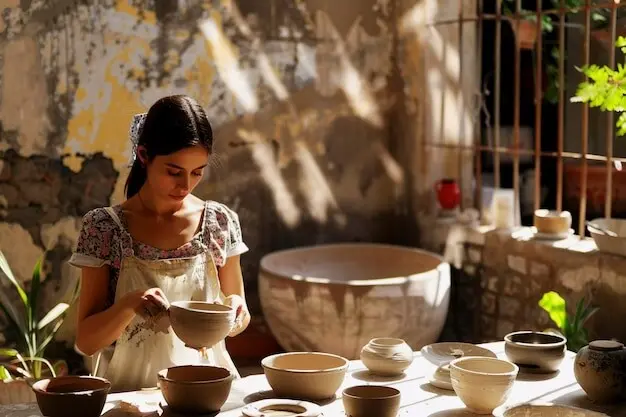
Head toward Ptuj for traditional festivities when the calendar allows, where costumed figures shake bells and households offer treats, celebrating winter’s turning. Between towns, visit potters shaping practical vessels and painters restoring folk motifs. Bring cash for small purchases, and confirm studio hours by phone. Sunsets spill along the Drava, and your notebook fills with names you promise to remember correctly.

Respectful Encounters and Sustainable Choices

Craft visits are relationships, not transactions. Ask before photographing, mind benches and tools, and never interrupt concentration for the sake of a snapshot. Pay fair prices that reflect years of learning, and tip when generosity exceeds expectation. Choose authentic work over mass-produced lookalikes, even if that means buying less. Travel lightly, refill water bottles, and support co-ops preserving shared equipment, apprenticeships, and future opportunity.

How to Ask Better Questions

Begin with process, materials, and lineage: Who taught you, how did you adapt, where do these fibers or billets come from? Listen without leaping to solutions. Offer a few Slovenian greetings, accept silence as thinking, and thank people by name. Ask how to care for what you purchase, and whether there are community projects you can respectfully amplify after returning home.

Buying with Purpose

Select pieces you will use and honor: a spoon that stirs, a lace motif you’ll frame away from sunlight, a forged hook that carries coats for decades. Request care notes, provenance, and signatures when appropriate. Consider shipping instead of hurried packing. If you post online, credit the maker and link responsibly. Your purchase nourishes practice, teaching, and tools that keep culture working daily.

Small Footprint Journeys

Choose trains and buses when practical, grouping studio visits within walkable clusters. Carry a repair kit for your luggage, refill bottles, and favor seasonal foods from family-run kitchens. Travel in cooler months to reduce crowding, and consider carbon contributions thoughtfully. Share rides to rural workshops, return jars to beekeepers, and leave trails as you found them. Sustainability deepens stories, not just itineraries.

Keeping the Craft Alive at Home

Practice Routines That Don’t Overwhelm

Build a gentle rhythm: fifteen focused minutes of bobbin drills, a sketch of a leaf vein for forging practice, or weaving a few willow rows while water soaks another bundle. Track small wins rather than hours. Rotate tasks weekly to avoid strain. Over time, dexterity, consistency, and problem-solving grow quietly, becoming durable confidence instead of brittle urgency.

Document Your Learning with Care

Keep a notebook of stitches, bends, and finishes, with photos labeled by date and teacher. Record short audio clips of tool rhythms to revisit cadence. Back up files, guard privacy, and seek permission before posting faces or proprietary patterns. When you share, describe what you learned and who taught it, honoring lineage, context, and the slow generosity behind each technique.

Join a Circle, Start a Tradition

Find local meetups at libraries, maker spaces, or cultural centers, and invite elders to demonstrate trusted methods. Consider a monthly online call with friends you met on the road, exchanging tips and encouragement. Pair gatherings with simple food, rotate hosting, and dedicate time for troubleshooting. Communities keep skills resilient, amplifying patience, laughter, and mutual care long after journeys end.
Zunovexotelivirolumasavi
Privacy Overview

This website uses cookies so that we can provide you with the best user experience possible. Cookie information is stored in your browser and performs functions such as recognising you when you return to our website and helping our team to understand which sections of the website you find most interesting and useful.